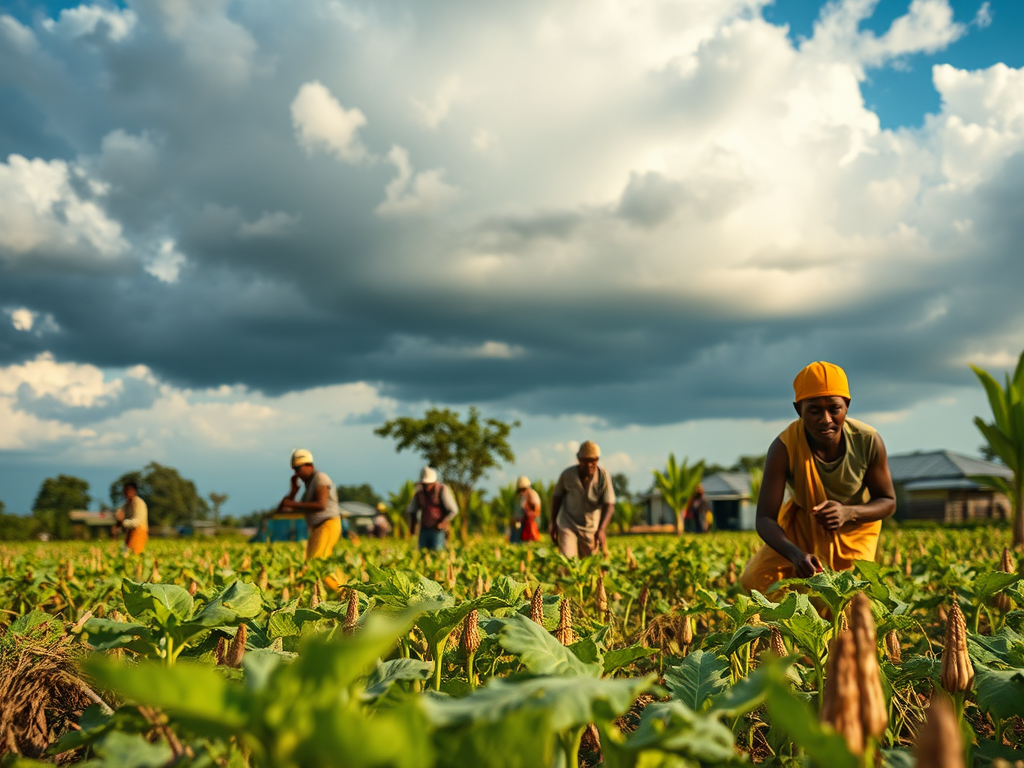
Farming has long been a cornerstone of Zambia’s economic growth and food security. However, inconsistent rainfall in recent years has created significant challenges for farmers. Despite these obstacles, farming remains a lucrative business opportunity for those willing to adapt and innovate. Here are practical strategies to help you thrive as a potential agripreneur in Zambia despite the unpredictable weather:
1. Invest in Irrigation Systems
Relying solely on rainfall is no longer sustainable, however, modern irrigation systems such as drip irrigation, sprinkler systems, or center pivots can ensure crops receive the necessary water, regardless of rainfall. Although these systems require initial investment, they offer long-term benefits by boosting yields and reducing water waste.
Suggestion: Farmers in Zambia can access irrigation equipment through suppliers like SARO Agro Industrial Limited or explore programs under the Ministry of Agriculture for potential subsidies.
2. Adopt Climate-Resilient Crops
Certain crops are more tolerant to drought and extreme weather conditions. In Zambia, crops like sorghum, millet, cassava, and cowpeas are resilient and can thrive in water-scarce environments. Consider diversifying your crops to include varieties that are less dependent on consistent rainfall.
Suggestion: Visit the Zambia Agricultural Research Institute for guidance on the best climate-resilient crops for your area.
3. Leverage Greenhouse Farming
Greenhouses provide a controlled environment for growing high-value crops such as vegetables, flowers, and herbs. By managing temperature, humidity, and water levels, you can achieve consistent yields throughout the year, regardless of external weather conditions.
Suggestion: Get in touch with Musika Development Initiatives or AgriProFocus Zambia for support and partnerships in greenhouse farming projects.
4. Utilize Water Harvesting Techniques
Rainwater harvesting systems can help you store water during rainy periods for use during dry spells. Simple solutions, such as building farm ponds or installing water tanks, can significantly reduce dependence on inconsistent rainfall.
Suggestion: Get in touch with Organizations like WaterAid Zambia and World Vision Zambia often run initiatives to support water harvesting and sustainable water management.
5. Incorporate Technology in Farming
Smart farming technologies, such as soil moisture sensors, weather prediction apps, and automated irrigation systems, can help you optimize water use and plan effectively. These tools reduce the guesswork involved in farming and improve overall productivity.
Suggestion: Partner with local tech hubs like BongoHive or seek advice from AgriPredict, a Zambian-developed platform offering weather and pest prediction services.
6. Diversify your Income Streams
Instead of putting all your eggs in one basket, explore additional revenue streams like livestock farming, agro-tourism, or processing and selling value-added products like jam, cheese, or dried fruits to supplement your income and reduce reliance on crop sales alone.
Suggestion: Non-profit organizations such as Heifer International Zambia provide support and training for diversifying into livestock farming.
7. Participate in Cooperative Farming
Join or form a farming cooperative that will provide you access to shared resources such as equipment, water sources, and technical expertise. It will also increase your bargaining power when selling produce or purchasing supplies.
Suggestion: Look into cooperatives supported by the Zambia National Farmers Union (ZNFU) for networking and resource-sharing opportunities.
8. Secure Crop Insurance
Crop insurance can protect you from financial losses due to weather-related challenges. This safety net allows you to recover quickly from setbacks and continue farming operations.
Suggestion: Check with Madison General Insurance Zambia or inquire about weather index insurance through the ZNFU.
9. Educate Yourself Continuously
Stay informed about new agricultural practices, weather patterns, and market trends. Attend workshops, webinars, and training sessions to keep your skills and knowledge up to date. Also, subscribe to this blog to keep updated on more tips and trends during your entrepreneurial journey.
Suggestion: Institutions like the Natural Resources Development College (NRDC) and Mulungushi University offer agricultural training programs and workshops tailored for Zambian farmers.
Conclusion
While inconsistent rainfall poses significant challenges, it doesn’t have to be a barrier to your success in farming. As a farmer or agripreneur, embrace innovation, leverage technology, and diversify practices. You can build a resilient farming business that thrives in any weather condition. With the right approach, farming remains a viable and rewarding business opportunity for those ready to adapt and persevere.
Let us know which strategies you plan on implementing next farming season.




 The Founder's Game Plan
Leave a comment